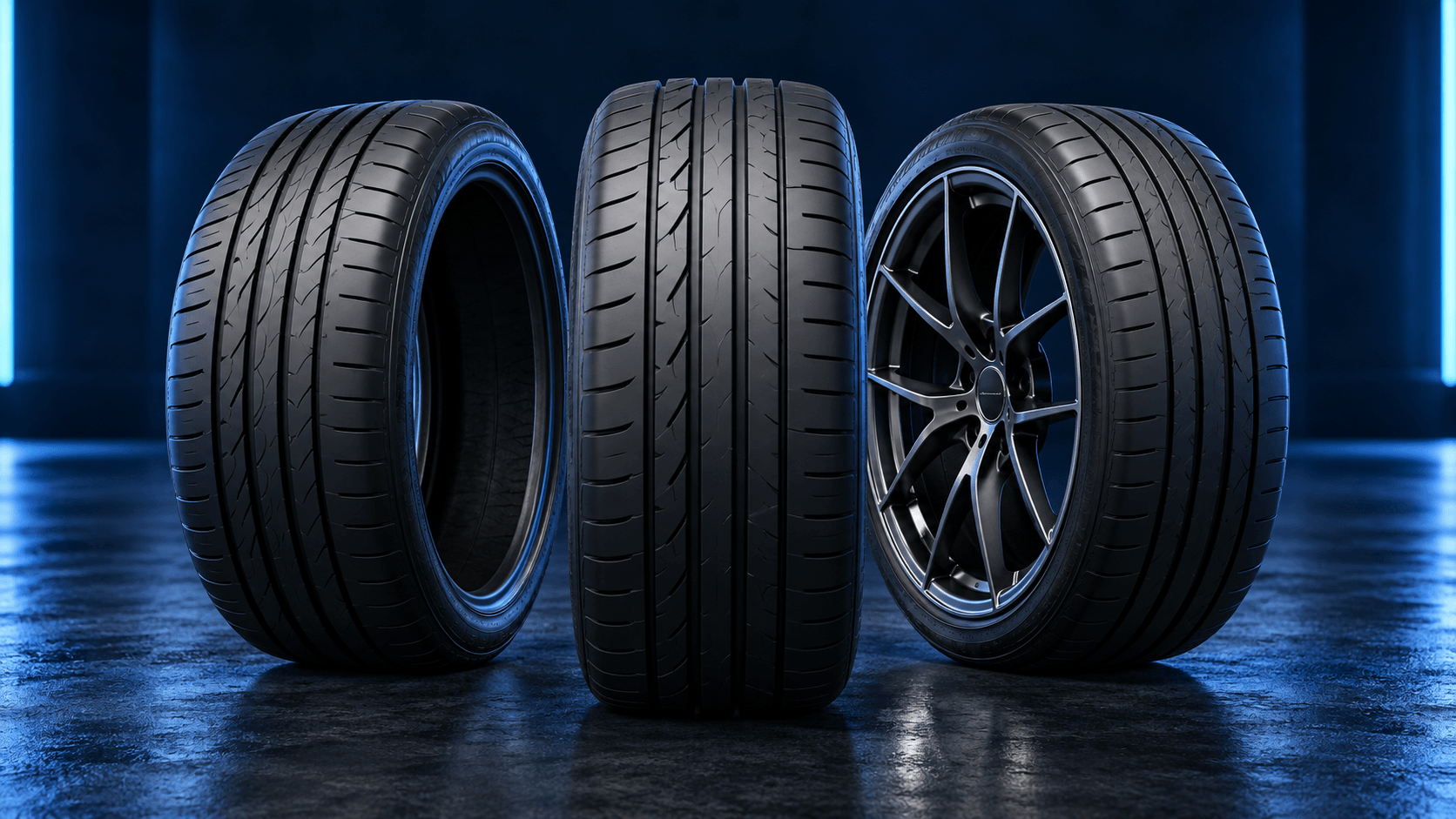
Tire diameter & revolutions reference
Compare geometric revolutions per mile and kilometer for different tire diameters. Change an input to explore the relationship.
Input parameters
Set your values below. The table updates automatically.
Comparison results
Unloaded geometric values. Actual rolling revolutions depend on tire construction, load and pressure.
| Diameter (in) | Circumference (in) | rev/mile | rev/km |
|---|---|---|---|
| 10.00 | 31.42 | 2,016.81 | 1,253.19 |
| 13.00 | 40.84 | 1,551.39 | 963.99 |
| 15.00 | 47.12 | 1,344.54 | 835.46 |
| 19.00 | 59.69 | 1,061.48 | 659.57 |
| 22.00 | 69.12 | 916.73 | 569.63 |
| 26.00 | 81.68 | 775.7 | 482 |
| 30.00 | 94.25 | 672.27 | 417.73 |
| 33.00 | 103.67 | 611.15 | 379.75 |
| 35.00 | 109.96 | 576.23 | 358.05 |
How this table is calculated
revolutions = distance / (π × diameter)Rows use the same assumptions while varying the value in the first column. Input-unit controls change the units used to enter values; column headers always state the output units.
How to read this comparison
Each row compares a nominal circular diameter. Increasing diameter increases circumference and reduces revolutions per mile or kilometer. The scale factor changes every listed diameter together.
A worked example with the initial inputs
At the initial scale of 1, a 13-inch tire has circumference π × 13 ≈ 40.841 inches. Dividing 63,360 inches per mile by that circumference gives approximately 1,551.39 revolutions per mile.
The live table changes when you edit its controls.
Use the interactive calculator to explore more scenarios, units and relevant inputs.
Frequently asked questions
Are these manufacturer revolutions-per-mile ratings?
No. These are unloaded geometric calculations. Actual rolling dimensions depend on the tire, load and pressure; use appropriate measured or manufacturer data for calibration.
Why do input controls and column headers show different units?
The unit toggle changes how you enter dimensional inputs. Each output column keeps its stated unit so you can compare values consistently. Read the column header before copying a result.
Understand the method in more detail
 How to calculate gear ratio from RPM and speedRearrange the road-speed relationship to infer overall reduction: R = engine RPM × circumference ÷ distance traveled per minute. Measurements must refer to the same steady operating point.
 How tire size changes speedometer readingsIf a speedometer assumes the original rolling circumference, changing tire circumference changes actual distance traveled per indicated revolution. The correction depends on how the vehicle measures speed.
Source and assumptions
Angular speed and tangential speed. Gear reductions follow tooth engagement and conservation of rotation count.
OpenStax — University Physics: rotation with constant angular accelerationRead the calculation methodology for model scope, unit conventions and review status.