
The engineering
behind your setup.
Practical guides, technical explanations and real-world insights to help you understand your setup and make informed changes.
30 guides · Showing 1–15
 Go-kart
How to calculate go-kart gear ratios
Divide the axle sprocket teeth by the engine sprocket teeth. A 60-tooth rear and a 12-tooth front produce a 5:1 reduction: the engine turns five times for one axle revolution.
 Performance
Torque versus horsepower: one operating point at a time
Torque measures turning moment. Power measures work per time and equals torque multiplied by angular speed, so RPM is essential when converting one to the other.
 Engineering
Sprocket pitch diameter from polygon geometry
The pitch circle passes through the chain pin centers seated on a sprocket. Its diameter differs from the outside diameter measured across the tooth tips.
 Motorcycle
How motorcycle gearing changes highway RPM
At a fixed road speed and tire circumference, engine RPM is proportional to overall reduction. Include the actual cruising transmission gear when comparing setups.
 Drivetrain
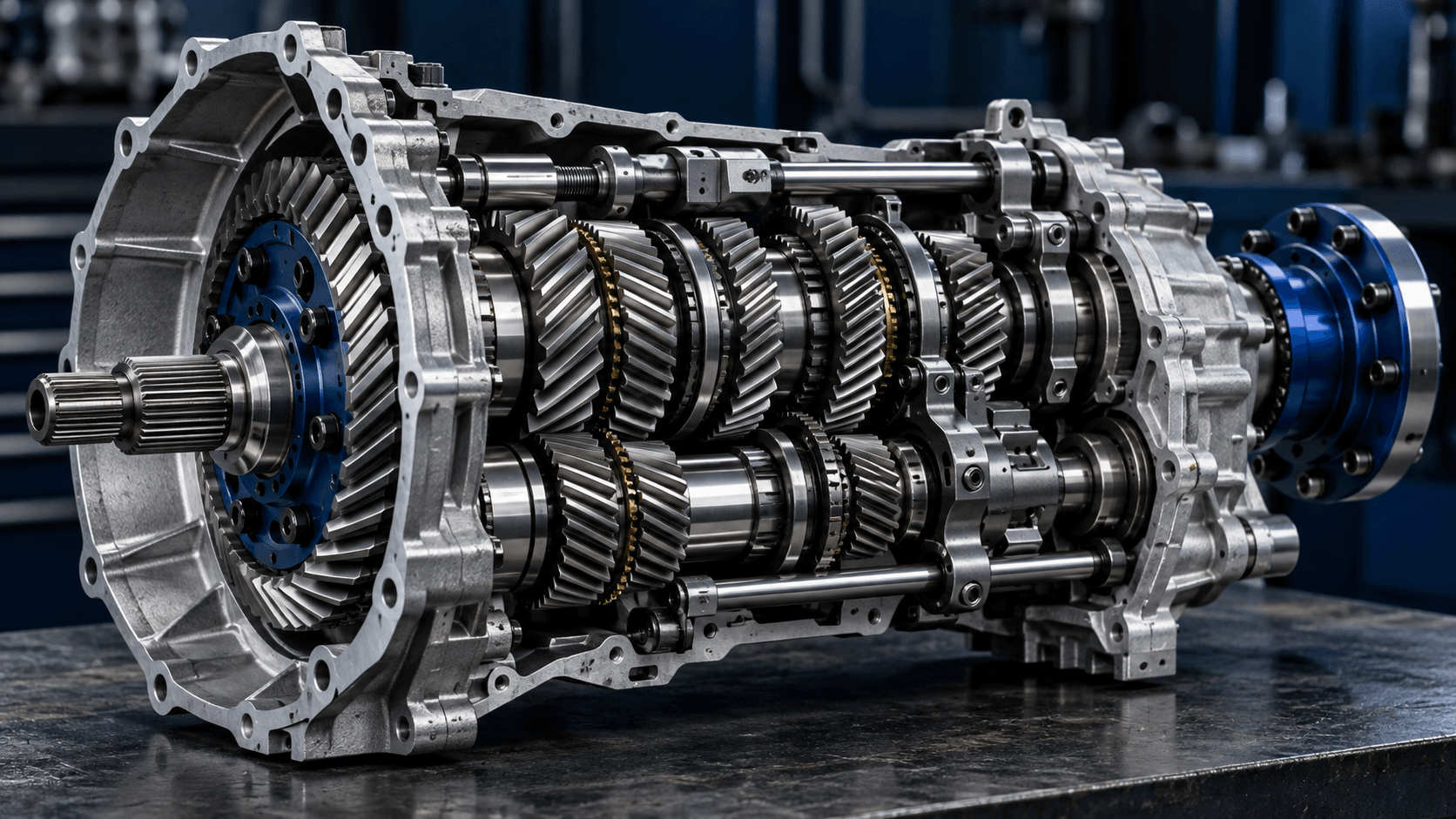
The gear ratio and road-speed formula
Road speed equals engine revolutions per second divided by overall reduction, multiplied by tire circumference. This follows directly from how far one wheel revolution travels.
 Tires
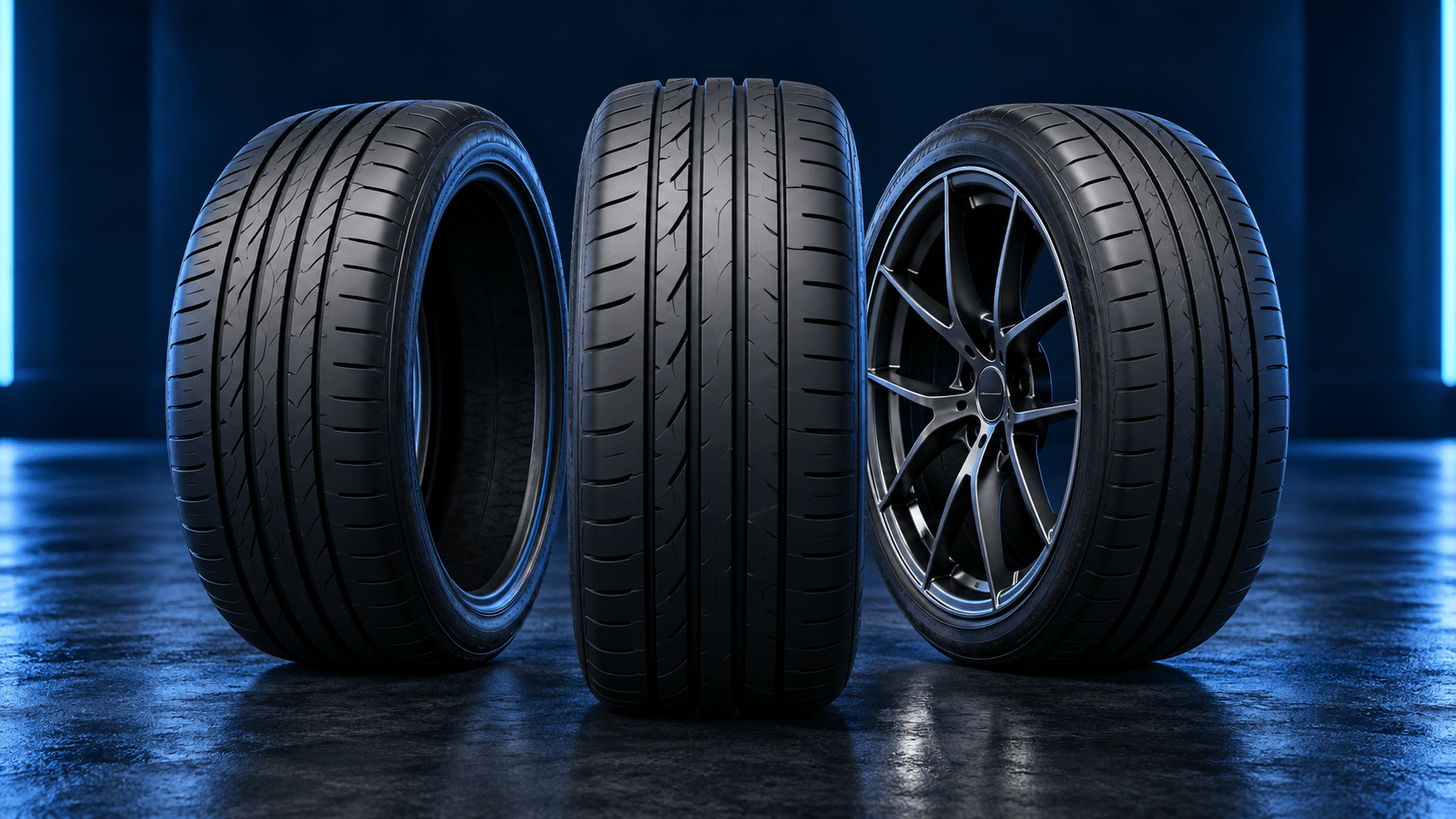
Tire diameter and effective gearing
Larger tire diameter increases travel per wheel revolution. To preserve engine RPM at a fixed road speed, increase reduction in the same proportion as diameter.
 Drag racing
Quarter-mile ET estimation: what the model means
A weight-and-power ET equation is an empirical comparison model. It cannot reconstruct a launch, shift sequence or weather conditions from two inputs.
 Dirt bike
Dirt-bike gearing for trail and track
Dirt-bike overall reduction combines primary drive, selected gear and final sprockets. Use that complete ratio when translating engine RPM into ground speed.
 Mini bike
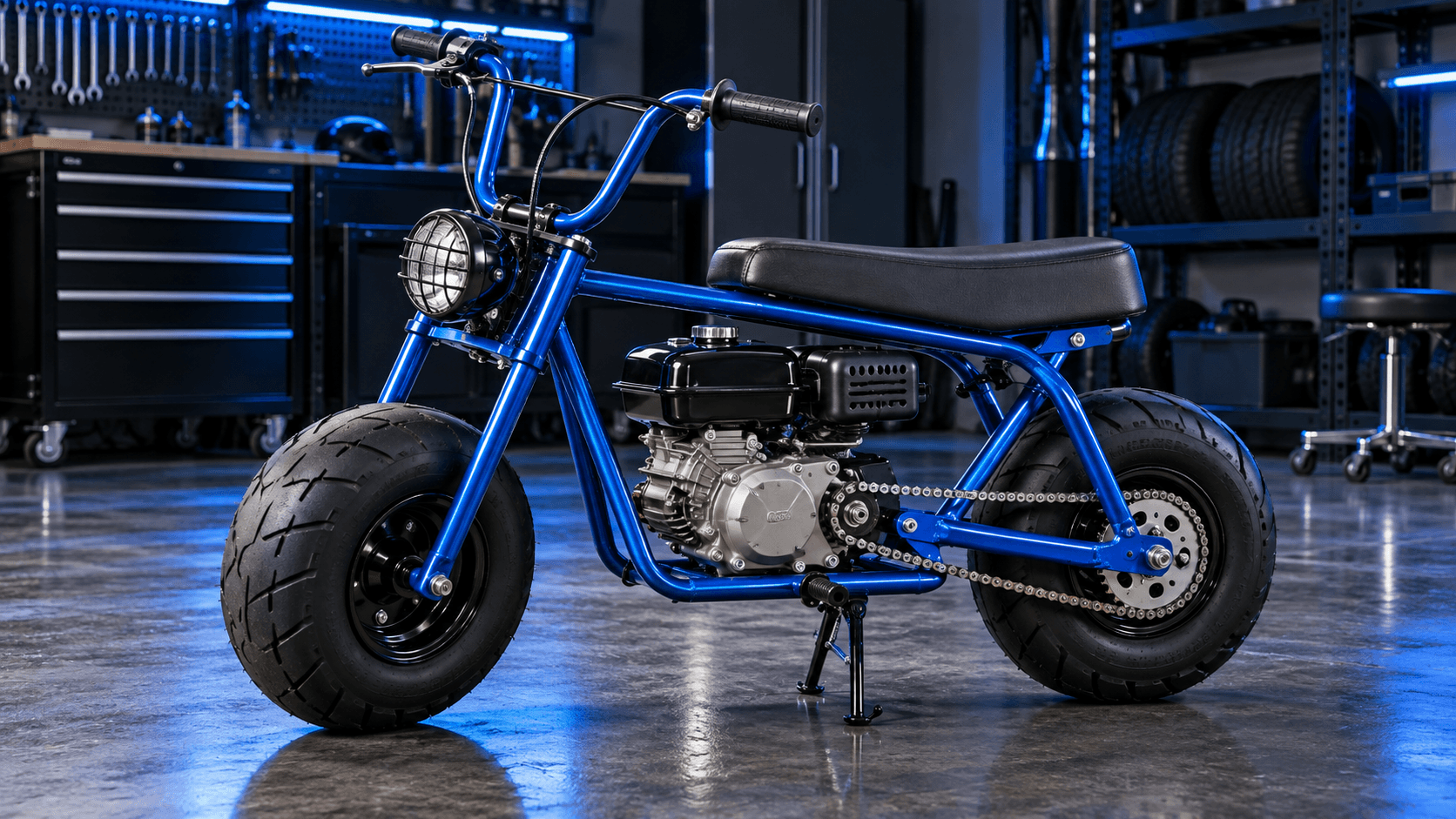
Mini-bike gear ratios explained
Mini-bike reduction follows the same tooth-count relationship as other chain drives. Wheel size makes an important difference when comparing otherwise identical setups.
PerformancePower-to-weight ratio: units and useful comparisons
Power-to-weight ratio divides available power by total mass. State both the power basis and the mass unit so that comparisons mean the same thing.
 Go-kart
 chain sizes and pitch explained
Chain pitch is the distance between neighboring pin centers. Pitch alone does not identify roller diameter, internal width, strength or compatible sprocket tooth form.
DrivetrainFinal drive ratio and overall reduction explained
Final drive is the last reduction stage before the driven wheel. Overall reduction is the product of every stage between the engine and wheel.
Go-kartGo-kart jackshaft gearing explained
For a compound jackshaft, multiply the engine-to-jackshaft reduction by the jackshaft-to-axle reduction. Two sprockets fixed to one shaft share RPM.
MotorcycleMotorcycle chain length and center distance
A two-sprocket chain-length estimate combines straight chain spans with the chain wrapped around each sprocket. The result is a pitch count that must fit the available axle adjustment.
TiresHow tire size changes speedometer readings
If a speedometer assumes the original rolling circumference, changing tire circumference changes actual distance traveled per indicated revolution. The correction depends on how the vehicle measures speed.